What Pokémon and TCG cards to invest in this week
Call it Pokémon investing, PokeInvesting or TCG investing: the question is the same, and it is which cards and slabs are worth the money. SlabIndex is market intelligence for that decision. It tracks 49,350 Pokémon, Japanese Pokémon, One Piece and Riftbound cards raw and graded, follows each game like a stock index, and ranks what is rising and what is worth grading after fees. This page is the short version, rebuilt every night. Prices as of 2026-10-23.
Every game as a market index
No exchange lists trading cards, so the index is built here: one row per game from every card priced, with its 30 and 90 day move and the share of cards rising.
| # | Game | Raw market value | 30d | 90d | Rising | Momentum | Cards | 30d trend |
|---|---|---|---|---|---|---|---|---|
| 1 | Pokémon (Japanese) HEALTHYLive picks | $1M | 0.00% | 1.23% | 57% | 56 | 21,057 | |
| 2 | Pokémon HEALTHYLive picks | $974.2K | 0.82% | 6.06% | 60% | 60 | 22,840 | |
| 3 | One Piece Card Game STEADYLive picks | $395.1K | 0.00% | 6.22% | 43% | 44 | 3,793 | |
| 4 | Riftbound: League of Legends TCG COOLINGLive picks | $126K | -1.95% | 7.63% | 35% | 35 | 1,660 |
Cards and slabs rising this week
The biggest rises in each game: cards on daily prices, slabs on recorded sales.
Pokémon
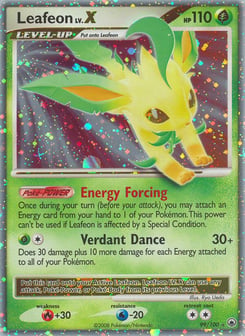 Leafeon LV.XMajestic Dawn · 99 | $525.00 | +162.5% | 7 days · 8 daily price readings |
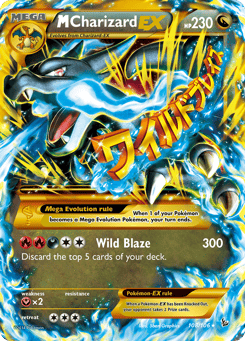 M Charizard-EXFlashfire · 108 | $1,501.23 | +87.2% | 7 days · 8 daily price readings |
 Tornadus, Thundurus & Landorus (Forces of Nature Promo)Jumbo Cards | $27.21 | +81.4% | 7 days · 7 daily price readings |
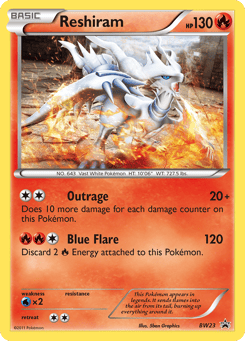 Reshiram PSA 9BW Black Star Promos · BW23 | $500.00 | +99.0% | vs $251.25 market · 8 sales in 30 days |
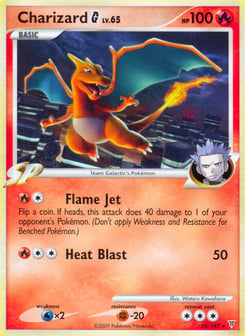 Charizard G PSA 9Supreme Victors · 20 | $294.00 | +98.7% | vs $147.96 market · 26 sales in 30 days |
 Mimikyu PSA 10SM Black Star Promos · SM163 | $1,387.00 | +98.1% | vs $699.99 market · 193 sales in 30 days |
Pokémon (Japanese)
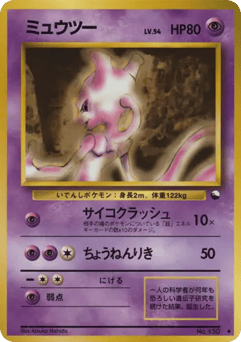 MewtwoVending Machine Series 1 (Blue) · 150 | $260.00 | +85.7% | 7 days · 8 daily price readings |
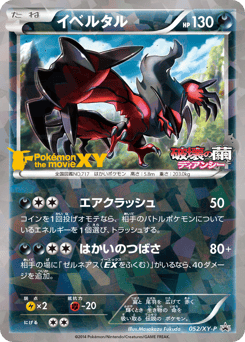 YveltalXY Promos · 52 | $28.50 | +42.6% | 7 days · 8 daily price readings |
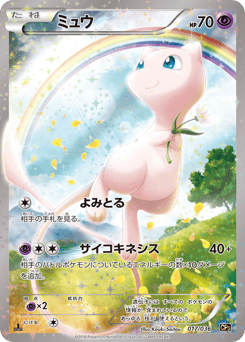 MewMythical & Legendary Dream Shine Collection · 17 | $539.99 | +36.7% | 7 days · 8 daily price readings |
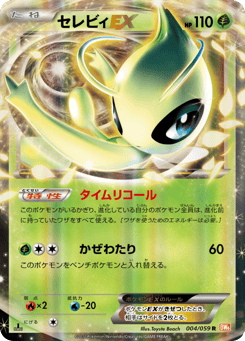 Celebi-EX PSA 10Cold Flare · 4 | $483.03 | +98.6% | vs $243.25 market · 14 sales in 30 days |
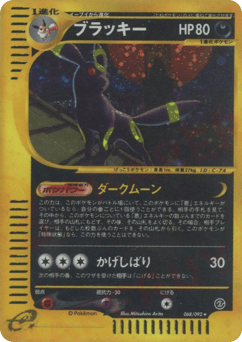 Umbreon PSA 10The Town on No Map · 68 | $12,000.00 | +93.7% | vs $6,196.44 market · 10 sales in 30 days |
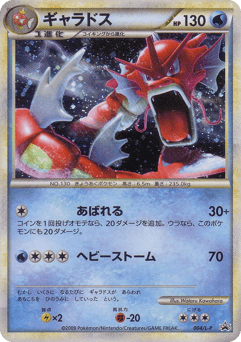 Gyarados PSA 10LEGEND Promos · 4 | $2,100.00 | +91.2% | vs $1,098.39 market · 42 sales in 30 days |
One Piece Card Game
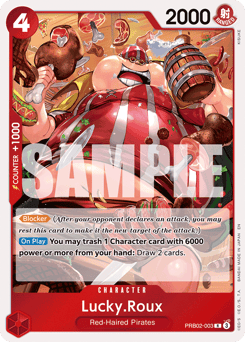 Lucky.RouxThe Best Vol.2 · 3 | $20.15 | +41.9% | 7 days · 7 daily price readings |
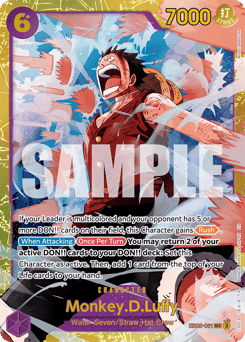 Monkey.D.LuffyAnime 25th Collection · 61 | $24.95 | +31.7% | 7 days · 7 daily price readings |
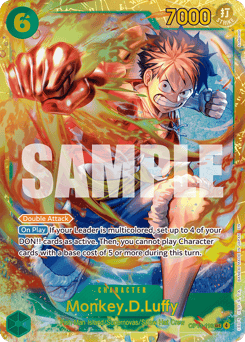 Monkey.D.LuffyCarrying On His Will · 118 | $24.37 | +26.1% | 7 days · 7 daily price readings |
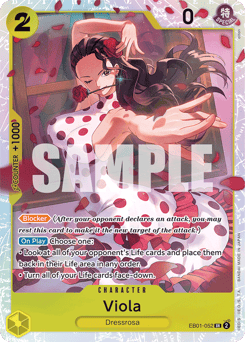 Viola PSA 10Memorial Collection · 52 | $47.11 | +32.7% | vs $35.50 · 22 nightly readings |
 Roronoa Zoro PSA 10Romance Dawn · 1 | $123.57 | +26.9% | vs $97.40 · 21 nightly readings |
 Bartholomew Kuma BGS 9.5Legacy of the Master · 119 | $28.53 | +21.4% | vs $23.51 · 21 nightly readings |
Riftbound: League of Legends TCG
 Annie, Dark Child (Metal) (Prize Wall)Riftbound Organized Play Promotional Cards · 017 | $2,706.16 | +46.3% | 30 days · 21 daily price readings |
 Bandle TreeRiftbound Promotional Cards · 278a | $88.04 | +43.9% | 30 days · 25 daily price readings |
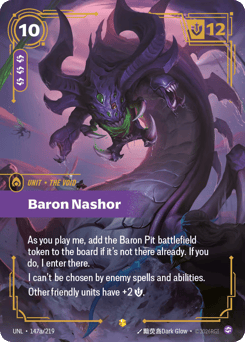 Baron NashorUnleashed · 147a | $37.66 | +32.1% | 30 days · 17 daily price readings |
Best cards to grade after fees
The top 3 in each game by expected return after the PSA fee and postage, from 20,643 cards with a graded market.
Pokémon
| Card | Raw | PSA 10 | Gem rate | After fees |
|---|---|---|---|---|
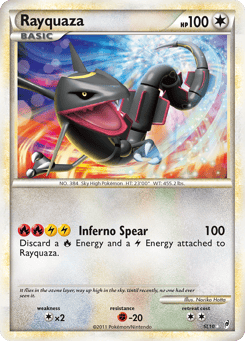 RayquazaCall of Legends · SL10 | $750.00 | $50,334 | 1% | +109.9% |
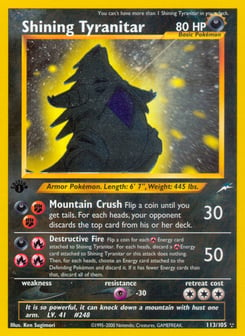 Shining TyranitarNeo Destiny · 113 | $345.00 | $34,522 | 5% | +102.9% |
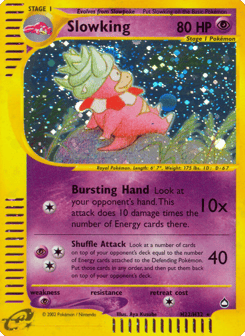 SlowkingAquapolis · H22 | $599.99 | $56,367 | 6% | +93.1% |
Pokémon (Japanese)
| Card | Raw | PSA 10 | Gem rate | After fees |
|---|---|---|---|---|
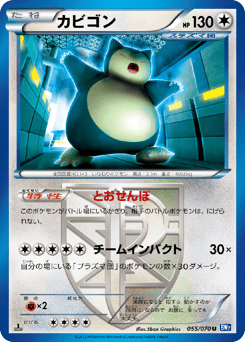 SnorlaxPlasma Gale · 55 | $14.99 | $356 | 13% | +121.0% |
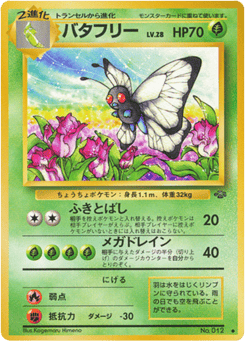 ButterfreeJungle · 12 | $3.41 | $399 | 19% | +93.9% |
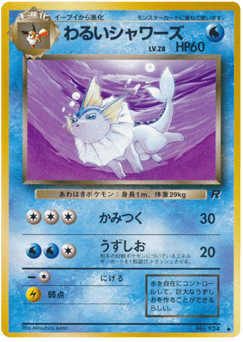 Dark VaporeonRocket Gang · 134 | $6.86 | $866 | 25% | +127.2% |
One Piece Card Game
| Card | Raw | PSA 10 | Gem rate | After fees |
|---|---|---|---|---|
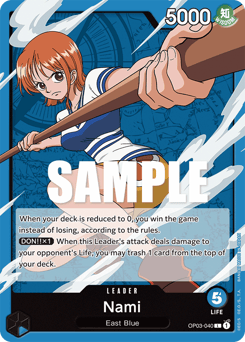 NamiPillars of Strength · 40 | $1.19 | $140 | — | +87.1% |
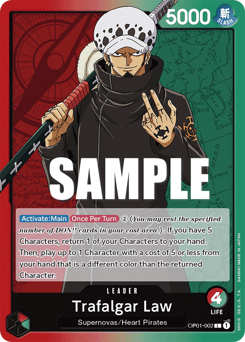 Trafalgar LawRomance Dawn · 2 | $1.62 | $155 | — | +86.5% |
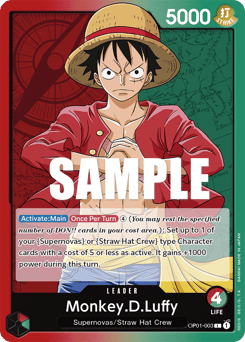 Monkey.D.LuffyRomance Dawn · 3 | $4.88 | $480 | — | +400.1% |
Riftbound: League of Legends TCG
| Card | Raw | PSA 10 | Gem rate | After fees |
|---|---|---|---|---|
 Lady Of Luminosity - StarterProving Grounds · 21 | $8.59 | $509 | — | +264.1% |
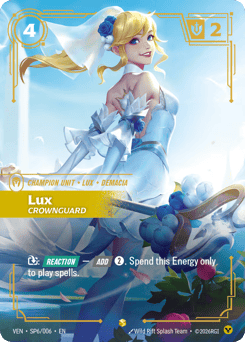 Lux, CrownguardVendetta · SP6 | $17.64 | $479 | — | +280.3% |
 Daring PoroUnleashed · 225 | $167.00 | $1,137 | — | +86.1% |
Every call, in public
Each pick is logged with its entry price and date, then marked at today's price where anyone can check it. Wins and losses both stay up.
Four rules before you buy a card
What the boards measure, in the order it matters.
Price both halves
A card and its slab are two different markets. Read the raw price and the PSA 10 price together before buying either.
Graded Market →Count the supply
A PSA population of 40 and one of 40,000 are different assets at the same price. Each card page shows the population by grade and the gem rate.
Look up a card →Follow sales, not listings
A price with no sales behind it is an asking price. The demand boards rank cards and slabs by how often they actually sell.
Signal Room →Let the fee decide
Grading costs the same on a $20 card as on a $900 one, so 2× on the dear card beats 6× on the cheap one. Returns here are always after fees.
Best cards to grade →Pokémon and TCG investing, answered
What Pokémon cards and slabs should I invest in right now?
Leafeon LV.X (Majestic Dawn) is the biggest measured riser among English Pokémon cards this week, +162.5% over 7 days to $525.00. Among graded slabs, Reshiram PSA 9 (BW Black Star Promos) leads at $500.00, +99.0% on 8 sales in 30 days. The best card to buy raw and grade is Rayquaza (Call of Legends): $750.00 raw against $50,334 in PSA 10, an expected +109.9% after the grading fee and postage. The lists above are rebuilt every night. A rise is a measurement, not a forecast.
Every card, ranked, in the Signal Room →What website can I use to know what Pokémon or TCG cards to buy?
SlabIndex is built for that question. It tracks 49,350 Pokémon, Japanese Pokémon, One Piece and Riftbound cards, priced raw and graded every night. It rates each card from Strong Buy to Strong Sell, ranks what is rising and what is worth grading after fees, and publishes every call it makes with an entry price and date. Browsing is free, a free account opens the top 10 of the Graded Market board, and Premium is $9.99 a month.
Create a free account →Is it better to invest in raw cards or graded slabs?
They are two different markets. A PSA 10 routinely sells for several times the raw card, and far more on scarce vintage, but a slab is slower to sell and its price rests on fewer sales. Raw cards are cheaper and change hands more often. Grading turns one into the other for a fixed fee, so the real question is whether the gap between the two prices is wide enough to pay that fee at the card's gem rate. That is the figure the Graded Market board ranks.
Open the Graded Market →Is there a stock market for trading cards?
There is no exchange. Cards and slabs change hands on marketplaces such as TCGplayer and eBay, one sale at a time. What can be done is to track them the way stocks are tracked. SlabIndex builds a market index for each game from every card it prices, measures the top gainers and losers, flags breakouts and floors in each card's price history, and counts completed slab sales, so TCG prices read like a ticker instead of a pile of listings.
See the market overview →What is TCG market intelligence?
A price says what a card costs today. Market intelligence adds what decides where it goes next: how many copies have been graded and how many came back gem mint, how often the card sells, how its price has moved against the rest of its set and game, and what a grading submission would return after fees. SlabIndex works those out for every card it tracks and turns them into ratings, signals and ranked boards.
How SlabIndex models the market →Is SlabIndex investment advice?
No. Every rating, signal and pick is the output of a model over price history and population data, and the track record shows the misses beside the hits. Trading cards are illiquid and can lose value. Treat it as a starting point for your own research.
See the track record →SlabIndex Weekly Newsletter
Best cards and slabs to invest in this week: the biggest movers in each game and the cards worth grading, in one free email every Monday. No account needed; unsubscribe in one click.
Not investment advice. Every rating, signal and pick here is the output of a model over price history and population data. Trading cards are illiquid and easily moved by a single listing; treat this as a starting point for your own research, never as a reason to skip it.